
Hacking the Placebo Effect for Real-World Manifesting

Your Brain Can't Tell the Difference - And That's Your Superpower
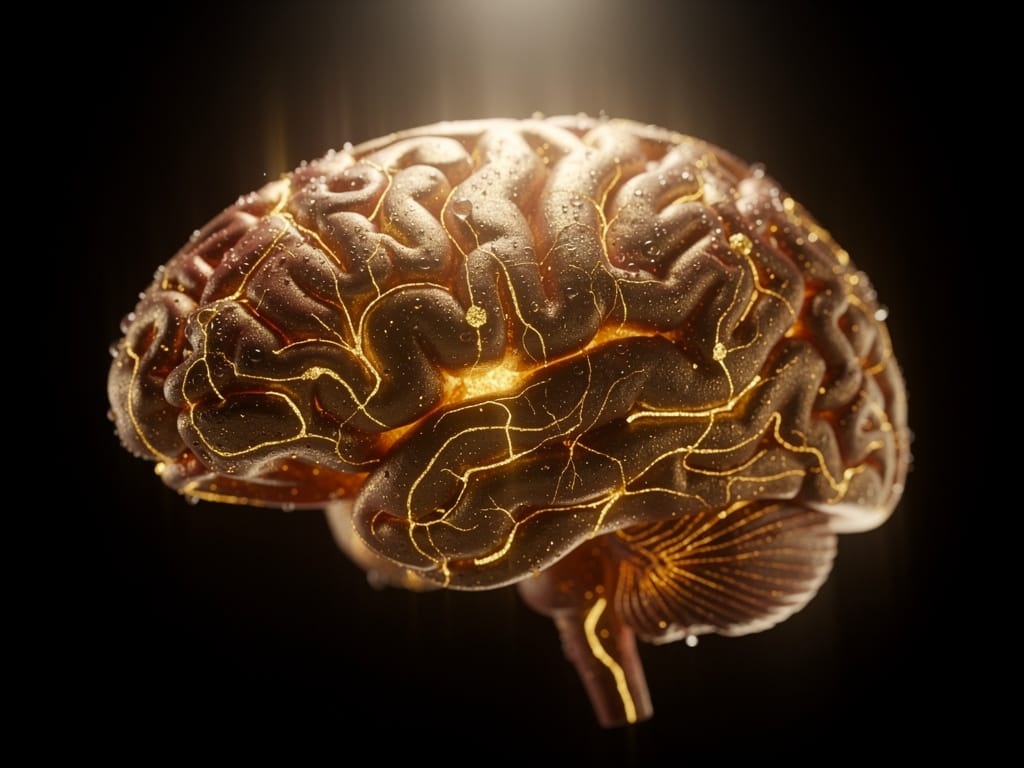
In 1955, Harvard anesthesiologist Henry Beecher published a paper that shook the medical world. He found that 35% of patients experienced real, measurable relief from sugar pills - with zero active ingredients.
No magic. No medicine. Just belief doing the heavy lifting.
Here's the thing most people miss: the placebo effect isn't a trick or a fluke. It's a direct window into how your subconscious mind constructs your physical reality. And once you understand the mechanism, you can use it on purpose.
What's Actually Happening Under the Hood
When a patient takes a placebo and feels better, their brain releases real endorphins. Their immune markers genuinely shift. Their nervous system measurably calms down.
The body responds to the expectation of an outcome as if that outcome were already happening.
Read that again slowly.
This is the same neurological process that sits at the core of every serious manifesting practice. When you hold a belief with enough conviction, your brain starts firing as though the desired reality is already present - and your behavior, perception, and even biology begin to align with it.
That's not spiritual hand-waving. That's neuroscience.
The Nocebo Flip Side
The same mechanism runs in reverse. Patients told a pill would cause nausea - even when given a sugar pill - reported nausea. People who believed they were exposed to a toxin developed symptoms with no toxin present.
Your mind is constantly writing the script your body performs. The only question is whether you're the one holding the pen.
Three Ways to Hack This for Real Manifesting

Knowing the science is one thing. Putting it to work is another. Here are three grounded techniques that leverage the placebo mechanism directly.
- Ritual Loading - Placebos work better when they come with ritual. A pill taken with ceremony, a specific glass of water, a deliberate routine - all of these amplify the brain's expectation response. Build a consistent pre-visualization ritual: same time, same chair, same breathing pattern. You're programming your nervous system to enter a receptive state on command.
- Identity Scripting - The most powerful placebo studies involve patients who fully believed they were receiving real treatment. For manifesting, this means writing and speaking from the identity of someone who already has what you want - not someone hoping for it. Swap "I want confidence" for "I operate from a place of deep confidence." The subconscious doesn't debate tense. It takes instruction.
- Sensory Anchoring - Belief becomes embodied when it's tied to physical sensation. During visualization, don't just picture your goal - feel the texture of it, the temperature, the weight. Studies on motor imagery show that vividly imagining a physical action activates the same motor cortex regions as actually performing it. You're literally rehearsing your future into your neural wiring.
The Belief Bridge - Closing the Gap
Here's where most people stall out.
They try to believe in a massive leap - going from broke to wealthy, from sick to thriving - and their subconscious rejects it like a mismatched organ transplant.
The fix is what psychologists call graduated expectation. Start with a belief that's just slightly beyond your current reality. Prove it to yourself with a small win. Then stretch again.
Each small confirmation deposits evidence into your subconscious that the bigger belief is possible. You're not faking it. You're building it - the same way a placebo works best when the patient has some prior positive experience with the treatment.
Key Takeaway: You don't need blind faith. You need a systematic method for expanding what your nervous system accepts as true - one believable step at a time.
Start Today - Not Tomorrow
Pick one area of your life where you want a shift. Write a single sentence in present-tense identity language about who you are in that area. Read it out loud, slowly, with a full breath before and after.
That's it. That's your first dose.
The placebo effect doesn't ask for perfection. It asks for consistent, embodied expectation. Your brain is already wired to respond. You're just learning to give it better instructions.
The science is on your side. Now use it.